
Is your legacy RTO costing you more than it should?

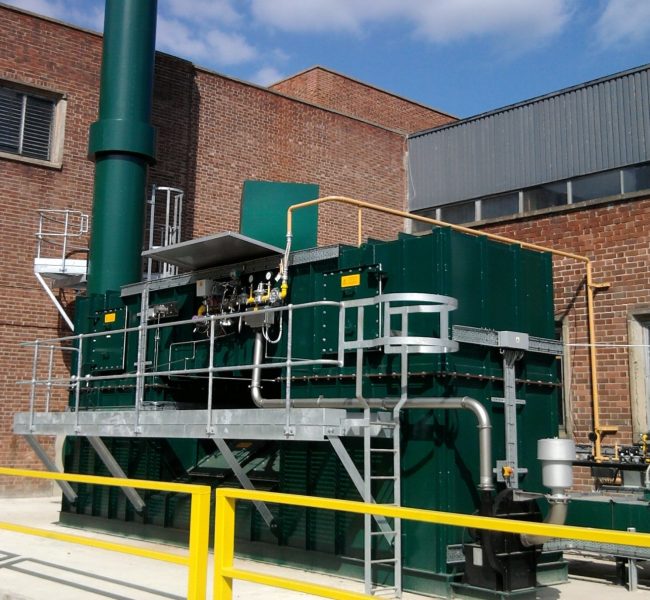
With over 90 years of engineering process innovation, we have developed RTOs designed for an array of VOC emitting environments, that eliminate 99.7% of VOC emissions. All designed and manufactured in our UK factory.

Whiteleys Cropped Version

Book a Call With Our Experts

Concentrator and Regenerative Thermal Oxidiser (RTO)

Target Pollutants with RTOs


The latest change to the BREF legislation now applies to all manufacturers that use solvents for surface treatments and covers both new installations and legacy systems. Manufacturers must no longer exceed the 20mgC/Nm³ emissions limit and Spooner Environment’s innovative air pollution technology can ensure you remain compliant.

Picture of Lois Scott

Lois Scott

Sales Manager, Spooner Environment

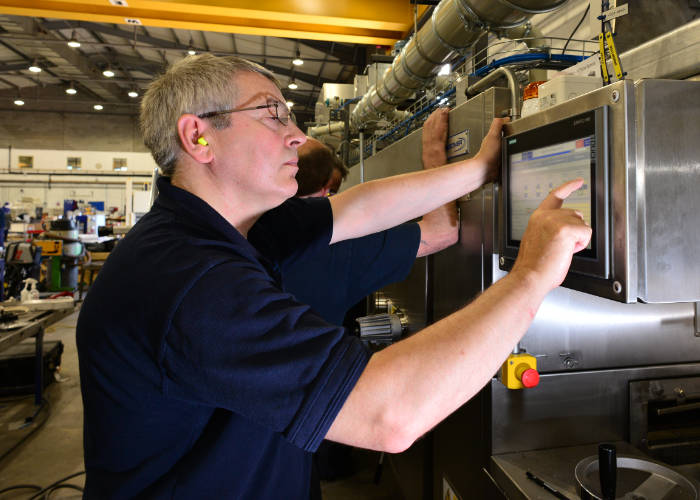
Lois manages sales and business development for the environment division of Spooner. With over 20 years of engineering experience, Lois has a strong grasp of market needs, and the ability to provide vital pollution abatement and energy recovery solutions to processing plants worldwide.

If you are concerned about the cost and complexity of environment compliance or want to uncover how you can optimise your RTO performance, then book a call with our expert Lois, who has a wealth of knowledge surrounding thermal oxidisers.

Industries Served

Explore our Spooner’s Regenerative Thermal Oxidisers

Our RTOs are engineered with tomorrow’s environmental standards in mind, helping businesses stay ahead of tightening VOC regulations.

Our Expertise

Installation

Understanding that no two manufacturers operate the same, Spooner Environment takes a tailored approach to RTO installations.

Service & Testing

SpoonerPlus offers dedicated servicing and testing delivered by our in-house engineers.

Refurbishment

Our specialists can refurbish your legacy systems into high performing air pollution control systems.

Decommissioning

Spooner Environment can support you with the decommissioning of legacy systems in the transition to newer, more efficient RTOs.

Expert-Led Servicing

In today’s manufacturing landscape, ensuring the optimal performance of your Regenerative Thermal Oxidiser (RTO) is vital.

Through SpoonerPlus, we offer a proactive maintenance approach delivered by specialist engineers that enables operational excellence. Our expertise covers:

  • Burner Servicing – Ensure optimal combustion efficiency and safety.
  • Fault Finding – Diagnose and resolve issues.
  • Emissions Testing – Ensure compliance with current regulations.
  • Full Refurbishment – Upgrade to meet or exceed design standards.

Case Studies

Tata Steel

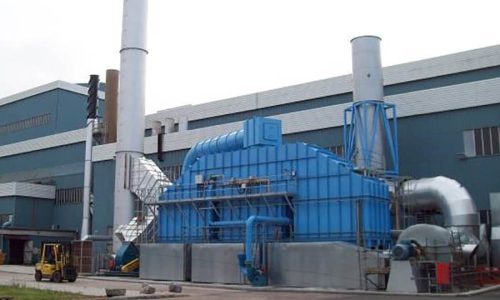
Tata Steel (formerly Corus) turned to Spooner Industries of Ilkley, West Yorkshire, to help them realise an energy-saving project which aimed to reduce gas consumption by 45%.

Blue Regenerative Thermal Oxidisers (RTO)

ElvalHalcor

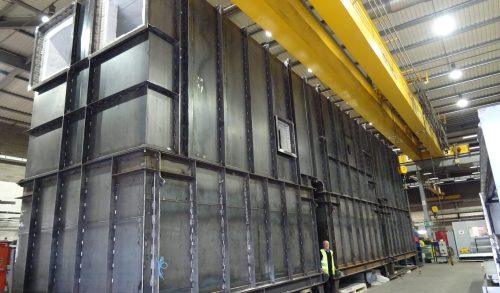
For 25 years, Spooner has been supporting ElvalHalcor’s aluminium processing business, most recently installing a 15,000 Nm³/h capacity RTO unit that includes secondary and tertiary heat recovery.

Regenerative Thermal Oxidiser

FAQs

What is a thermal oxidiser and why are they used?

A thermal oxidiser is a device that is used to control air pollution from industrial processes. Volatile organic compounds (VOCs), odorous compounds and other hazardous air pollutants (HAPs) are destroyed by heating them to high temperatures, causing them to oxidise into less harmful byproducts.

Oxidisers are used by industrial companies in order to meet environmental regulations and reduce their impact on air quality.


Key components include the combustion chamber, heat recovery, process dampers, a burner (heat source) and a control system.

Factors include volatile organic compound (VOC) concentration, combustion temperature, residence time and the type of oxidiser. 

RTOs utilise ceramic heat exchange beds to preheat incoming exhaust gases prior to the combustion chamber, significantly reducing fuel consumption and operating costs.

RTOs are known for their high energy efficiency due to this integral heat recovery, with the incoming gases cycling between the beds in order to achieve 95%+ thermal efficiencies.

RTOs offer higher energy efficiency, lower operating costs and are suitable for a wide range of volatile organic compound (VOC) concentrations and process flows. 

The best technology for your application depends on a number of factors including the nature and volume of the pollutants, the availability and cost of fuel, and a plant’s operating regime. Our expert engineers can design the right solution for your chosen application. 

Fill in the form below to book in a consultation.

When determining if your oxidiser is operating efficiently, there are a few factors to consider:

  • Gas meter readings – are there changes in gas usage
  • Has it been inspected recently, or have you completed a thermal survey?
  •  Has the gas burner been serviced, and is it operating at its optimal efficiency?

Our SpoonerPlus team is able to complete a detailed assessment of your oxidiser to determine if it is running optimally. 

Carry out a condition inspection, including heat recovery and thermal linings. Are there repairs or replacements required? Upgrading an RTO’s ceramic media can provide increased thermal efficiency, reducing operating costs.

A thermal survey can also help identify leakages or areas of damage which have resulted in heat loss and pinpoint areas for subsequent repairs and replacements to return to peak condition.

In addition, frequent gas burner servicing can ensure your burner is running at optimal performance.

Instead of using a natural gas burner, an oxidiser can also use hydrogen as the heat source or, process permitting, electrical heating elements. Both of these alternatives have the advantage of zero carbon emissions at the point of use, thus supporting decarbonisation of the customer’s industrial process.

Yes – Heat recovery can be retrofitted to an existing thermal oxidiser and doing so can have significant benefits, such as lowering the fuel usage and OPEX costs for the installation. Assuming that there is enough excess exhaust heat and space to install a heat recovery system, you can use the recovered energy to preheat the process air to the oxidiser or other process equipment, or for use elsewhere on the site, e.g. to heat water.

Yes – Through specialist partners we can support you with this and any resulting upgrades or modifications that may be required.

There are a number of components within your oxidiser that will require regular checks and servicing to ensure not only performance but compliance with legislation.

We recommend an annual service/inspection with bi-annual burner servicing.

Yes – We have a range of service plans to suit every plant. 

Fill in the form below to book a service.

Book a Consultation

By continuing to use the site, you agree to the use of cookies. more information

The cookie settings on this website are set to "allow cookies" to give you the best browsing experience possible. If you continue to use this website without changing your cookie settings or you click "Accept" below then you are consenting to this.

Close